As part of the Digital First project, three professional training sessions for teachers were held in Croatia in December 2025. Their aim was to empower teachers to implement the piloting of teaching scenarios based on the functional approach to digital technology. The piloting will take place in the first half of 2026, and a total of six primary and secondary schools in Croatia will participate. The trainings focused on understanding and applying different functions of digital technology in an educational context, as well as on developing pedagogical strategies that support responsible, critical and meaningful use of digital tools.
The first training was dedicated to the personal function of digital technology, with the emphasis on expressing identity and emotions in a digital environment. The participants reflected on the role of digital platforms in shaping students’ digital identity, their emotional and social effects, and the need for careful pedagogical guidance. Through theoretical and practical work, examples from practice were analysed, along with the digital platforms students use most frequently, and digital content was created to encourage empathy and understanding of the impact of online expression. Special emphasis was placed on analysing learning scenarios and creating a digital portfolio as a tool for reflection and teachers’ professional development.

Figure 1: The participants at the beginning of the first training session.
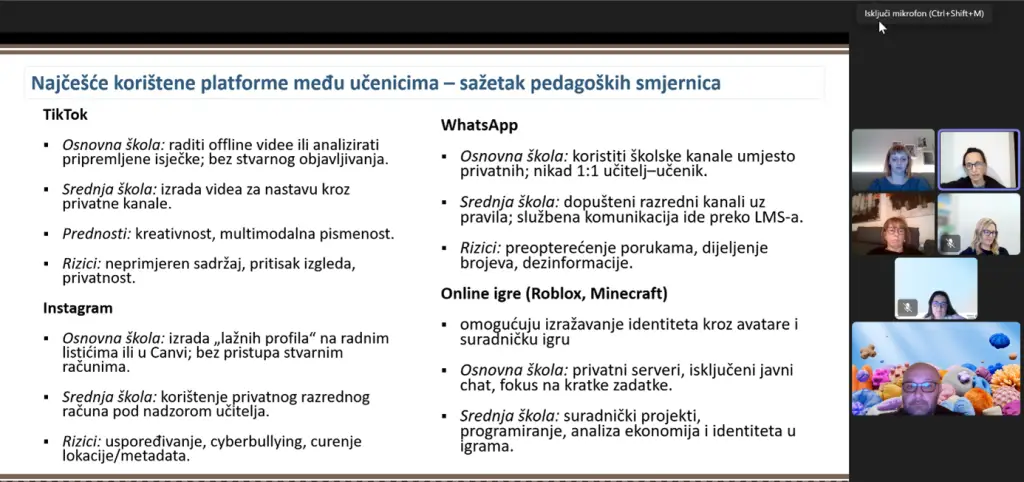
Figure 2: Discussion on students’ most frequently used digital platforms.

Figure 3 – Practical work by one team of teachers – Creating digital content.
The second training focused on the representational function of digital technology, that is, creating, structuring and sharing digital knowledge. The participants discussed the role of digital tools in conveying factual information, developing media literacy and critical thinking, as well as the challenges related to the credibility of sources and the risk of misinformation. In the practical part, teachers used digital tools to explore complex concepts, create visual representations and analyse teaching scenarios, exchanging suggestions for their improvement.

Figure 4: The participants at the beginning of the second training session.
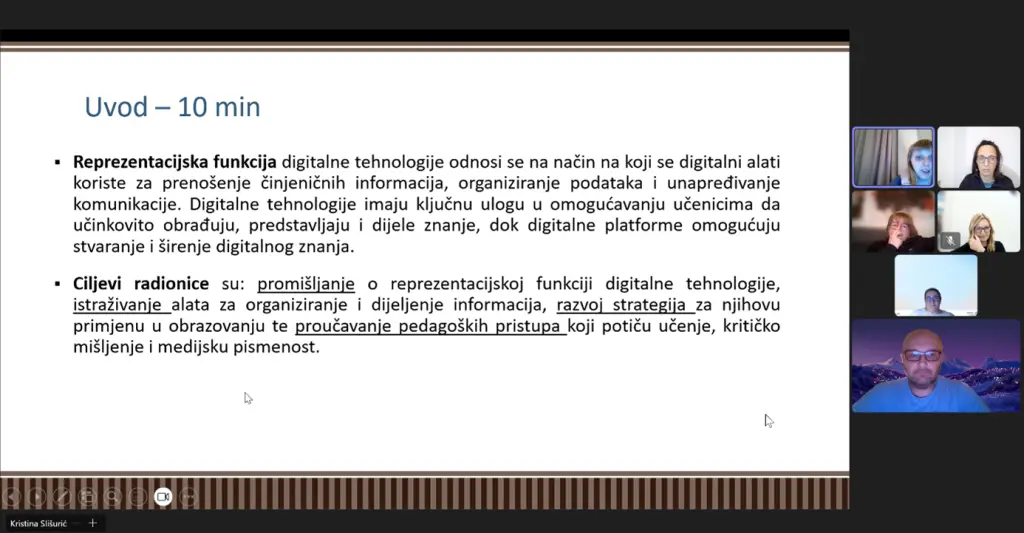
Figure 5: Discussion about the representational function of digital technology.
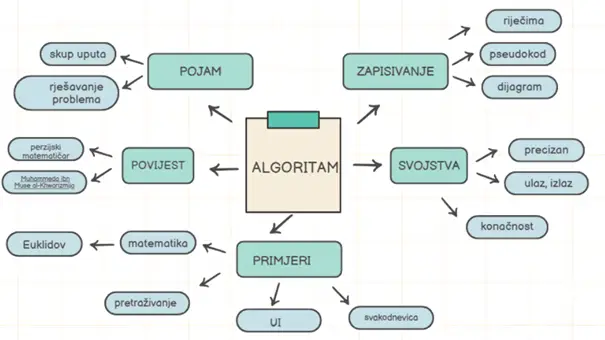
Figure 6: Practical work by one team – Presentation of the assigned concept (algorithm).
The third training was dedicated to the regulatory function of digital technology, with a focus on safety, privacy, digital citizenship and ethics in online collaboration. Participants addressed issues such as managing behaviour in digital environments, setting rules and boundaries and the responsible use of administrative privileges. Through discussions, case-study analysis, and role-play activities, teachers developed strategies to promote responsible behaviour, collaboration and respect for digital rights, with particular emphasis on the teacher’s role in creating a safe and structured digital environment.
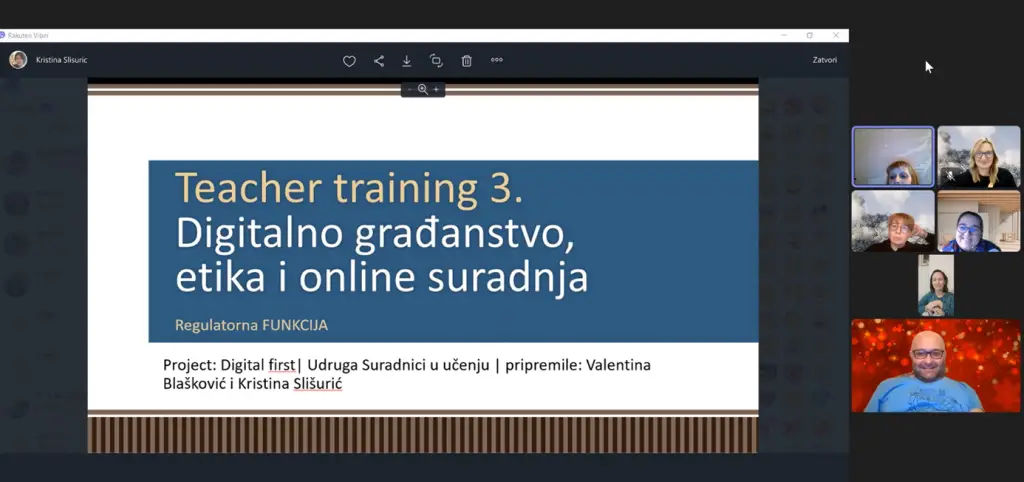
Figure 7: The participants at the beginning of the third training session.
The training provided teachers with a theoretical foundation and practical tools for implementing the piloting of teaching scenarios within the Digital First project. Through collaborative learning, sharing experiences and reflection, participants were empowered to apply the functional approach to digital technology in teaching, to develop students’ digital competences and responsible digital citizenship.