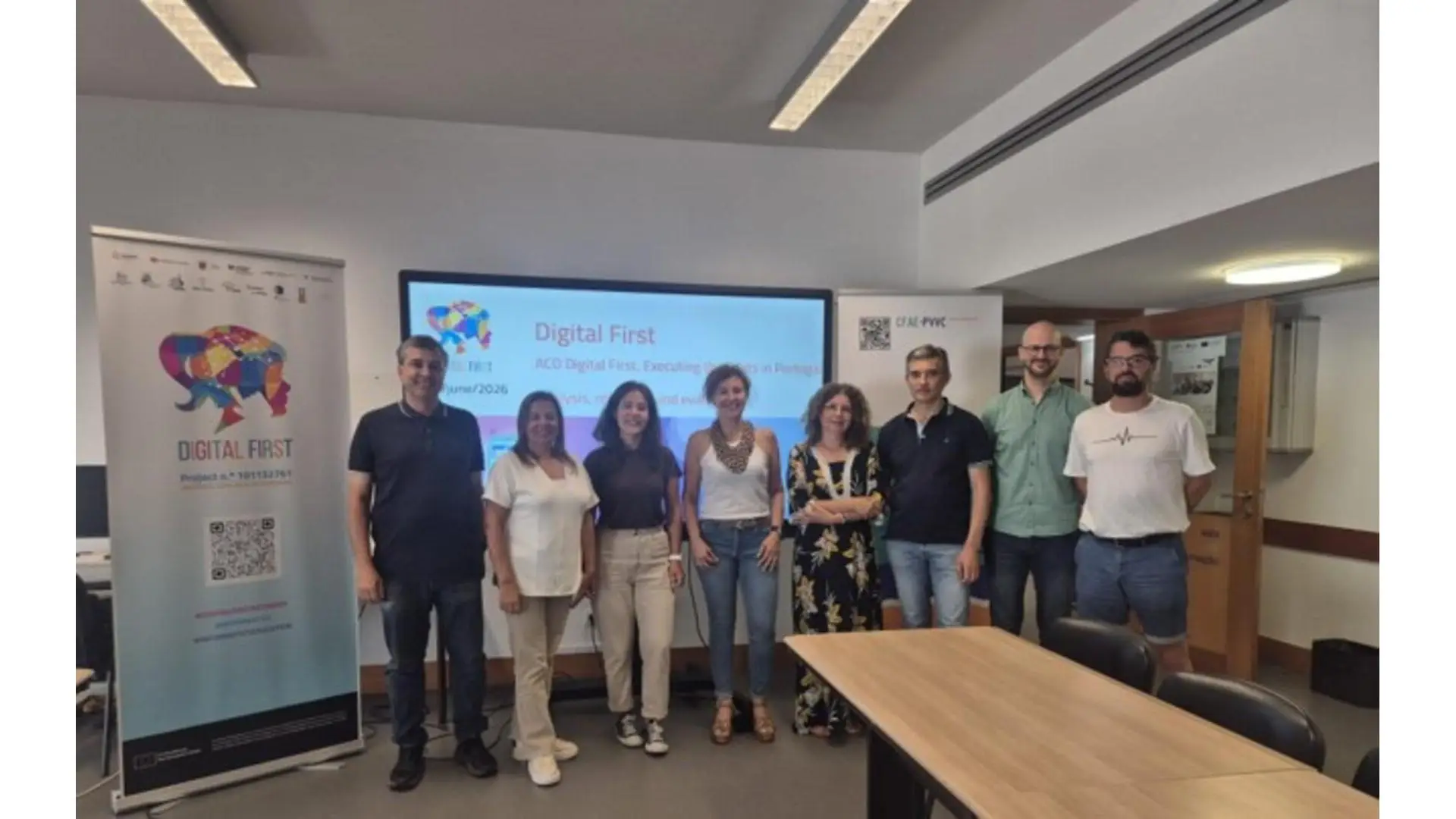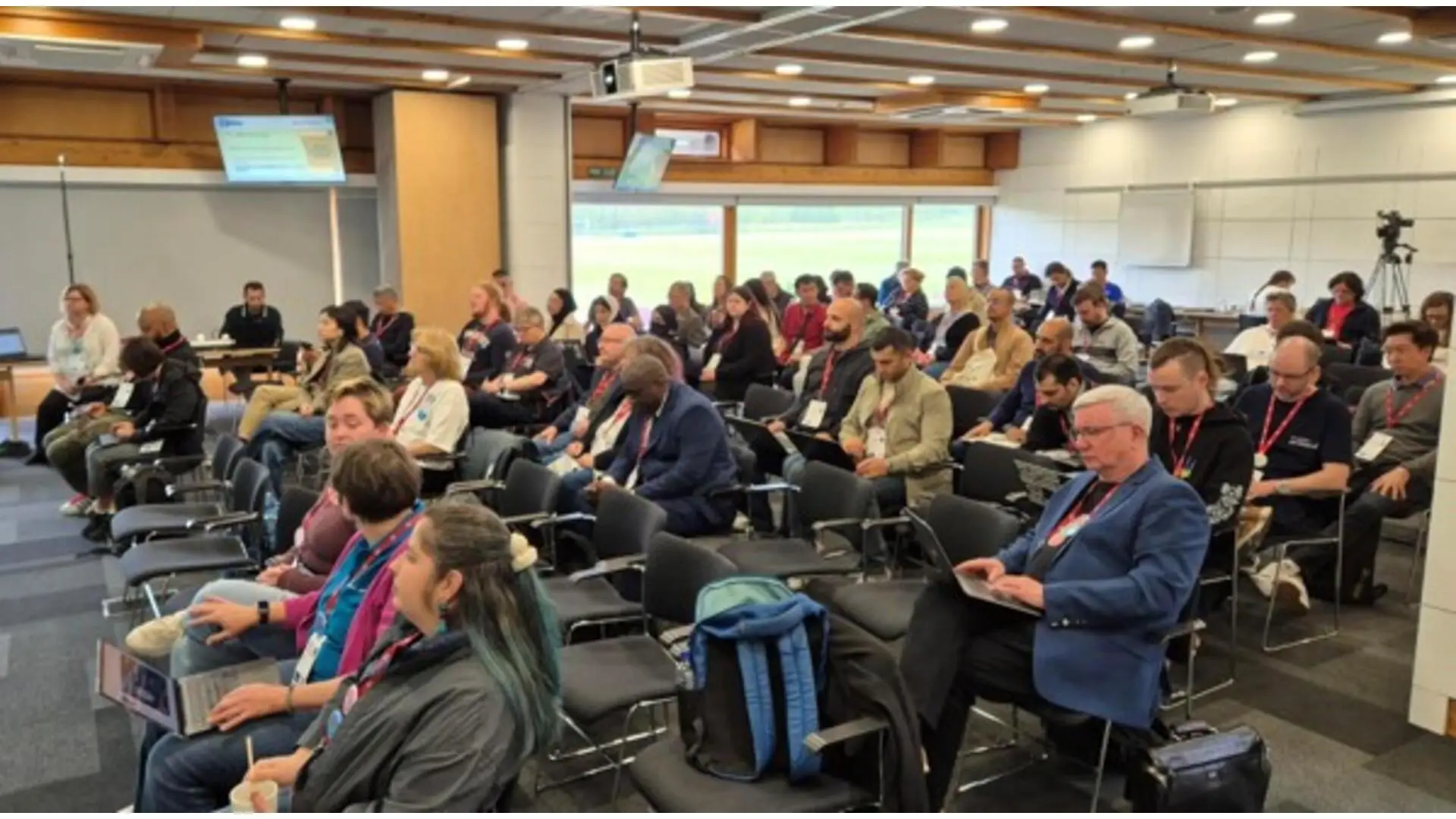
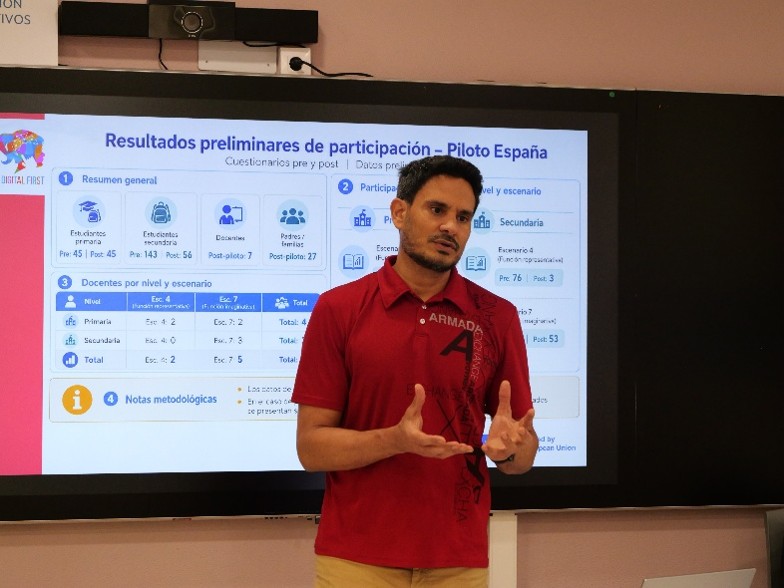
The pilot phase of DIGITAL FIRST in Spain has offered valuable insights into how to integrate innovative approaches to computer science education in real-world classroom contexts. Led by the University of A Coruña, the pilot project in Spain focused on two key learning scenarios: Media Literacy and Information Evaluation, linked to the representational function of digital technology, and Creativity and Digital Content Production, linked to the imaginative function.
The eight teachers participating in the pilot project highlighted the great potential of the functional approach to making computer science more meaningful for students. Instead of treating digital tools as isolated technical resources, the activities encouraged students to use technology to analyse information, express ideas, create digital products, solve problems, and critically reflect on their digital environment. This shift was particularly evident in the media literacy activities, where students worked on evaluating information and recognising the importance of responsible and safe technology use.
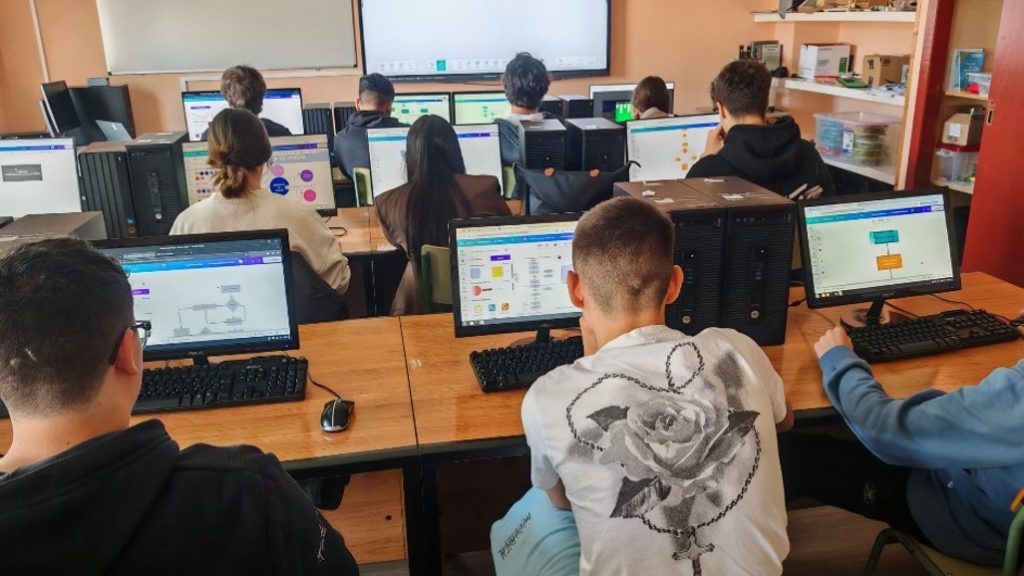
One of the most positive outcomes observed by the teachers was student engagement. In the creativity scenario, students demonstrated motivation, imagination, and initiative by using digital tools to produce content and respond to classroom challenges. Teachers also valued the way students sought solutions to difficulties, transforming digital work into an opportunity for exploration, decision-making, and problem-solving.
Furthermore, the Spanish experience revealed important lessons for improving future implementations. Teachers observed that some activities were too ambitious for the time available in regular classes, especially in primary school. The complexity of certain tasks required more support, clearer instructions, and, in some cases, additional sessions. This feedback confirms the importance of adapting learning scenarios to students’ age, prior knowledge, and classroom conditions.
Another key recommendation from the Spanish pilot project was the need for more ready-to-use teaching resources. Teachers suggested that future versions of the materials could include step-by-step guides, practical examples, templates, guiding questions, and alternative learning paths for different educational levels. This support would facilitate the implementation of the scenarios and help teachers focus less on the logistics of preparation and more on the pedagogical purpose of the activities.
Overall, the experience of the pilot project in Spain confirms the relevance of the DIGITAL FIRST functional approach. This demonstrates that computer science education can foster not only technical skills, but also creativity, critical thinking, collaboration, and responsible digital citizenship. The lessons learned in Spain will contribute to refining the project’s teaching materials and strengthening their applicability in different European educational contexts.