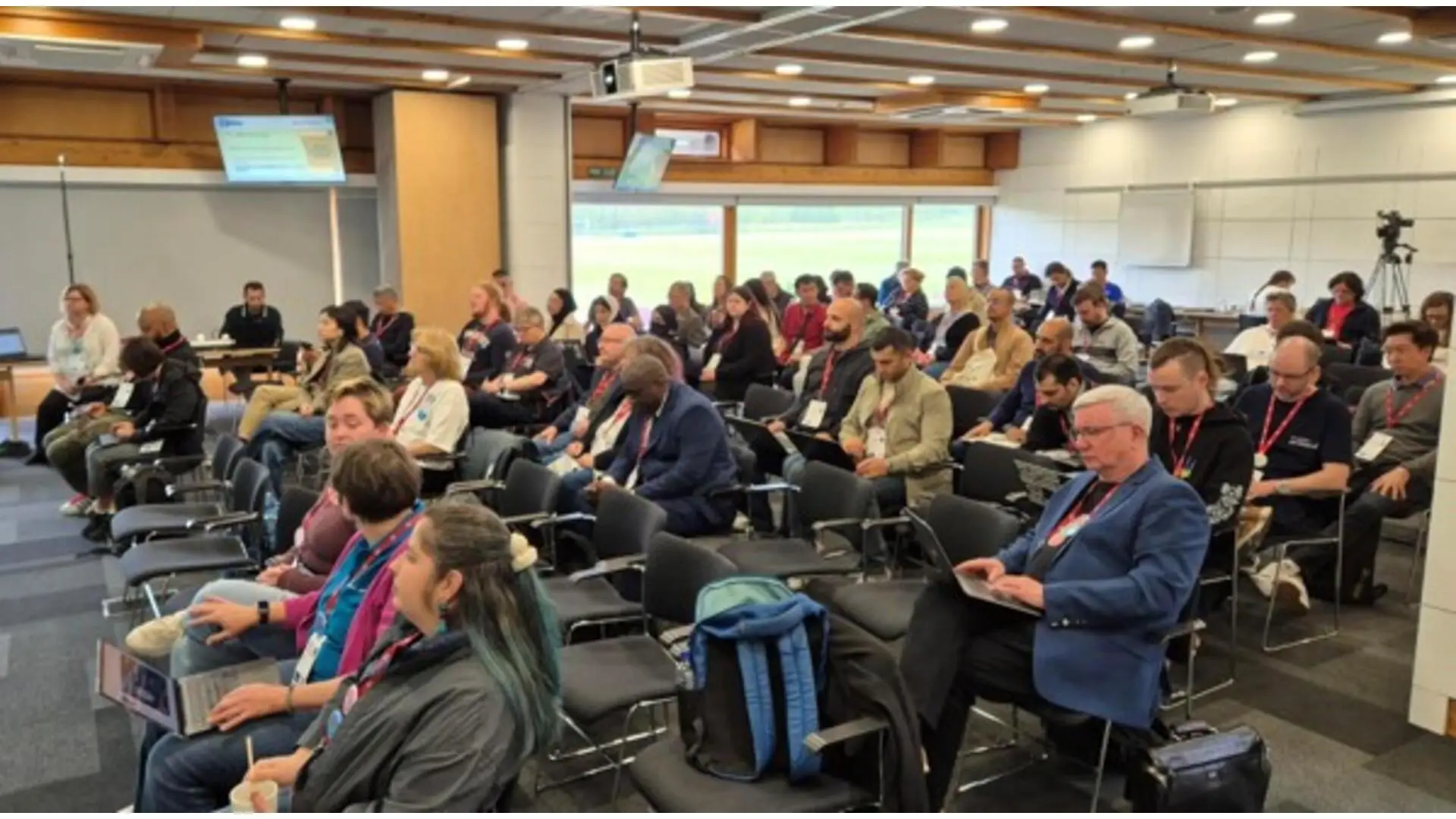
The Annual Bebras International Task Workshop 2026 (BITW26) was held in Cambridge, United Kingdom, from 10–15 May 2026. Organised by the Raspberry Pi Foundation, the workshop brought together computing education experts, researchers, and teachers from around the world to collaborate on developing new Bebras tasks and to exchange ideas on the future of informatics and computational thinking education (https://www.raspberrypi.org/bitw2026).
At the heart of the workshop were the Bebras tasks, short, engaging, and thought-provoking challenges designed to introduce students to fundamental concepts of informatics and computational thinking. During the months leading up to the workshop, more than 300 new tasks were proposed, reviewed, and refined by international contributors. In Cambridge, participants worked in thematic groups to discuss these tasks in depth, evaluate their educational value, improve their clarity and accessibility, and ensure that they effectively represent key informatics concepts. Through this collaborative process, the best tasks were selected for future Bebras Challenges on Informatics worldwide.
The workshop attracted delegates from 62 countries, representing one of the largest international gatherings dedicated to computational thinking and informatics education. Participants included university researchers, teacher educators, school teachers, curriculum developers, and other representatives of national Bebras communities. Together, they shared a common goal: making informatics education engaging, accessible, and meaningful for learners of all ages.
In addition to task-development sessions, participants engaged in discussions on key challenges facing computing education worldwide. Topics included informatics education, curriculum innovation, teacher preparation, assessment of computational thinking, and the integration of emerging technologies, including artificial intelligence, into learning environments. These discussions provided valuable opportunities to compare national experiences and identify common directions for future development.
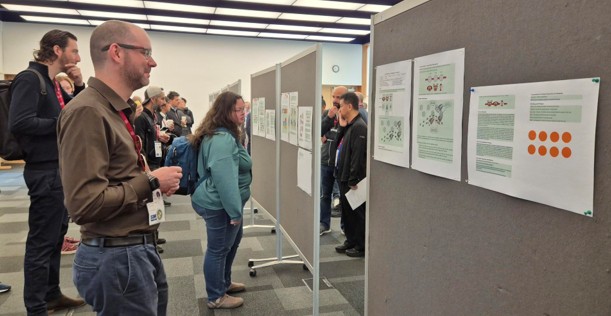
As part of the workshop activities, participating countries presented posters showcasing national initiatives, research projects, and educational innovations. The poster sessions created an inspiring environment for networking, exchanging ideas, and establishing new international partnerships.
Professor Valentina Dagienė, President of Bebras International and founder of the Bebras initiative, talked about the Erasmus+ project “Digital Tech as the First Language: Informatics for Digital Natives” (known as DIGITAL FIRST) during the poster session and discussed its goals with representatives from numerous countries interested in advancing informatics education in Europe and beyond. The project attracted considerable interest because of its focus on strengthening digital competencies, supporting teachers, and developing innovative approaches to teaching informatics and computational thinking.
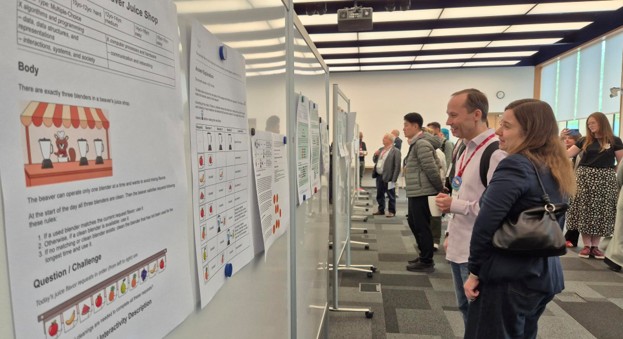
Discussions surrounding the project addressed several important themes, including improving the quality of informatics education, supporting teachers through professional development, and creating effective pathways for integrating computational thinking into primary and secondary education. Particular attention was given to the importance of introducing informatics concepts from the earliest years of schooling. In this context, Bebras tasks were frequently highlighted as a powerful educational resource. Their concise and engaging format allows students to explore complex informatics ideas through problem solving, curiosity, and logical reasoning, making them suitable for learners with diverse backgrounds and levels of experience.
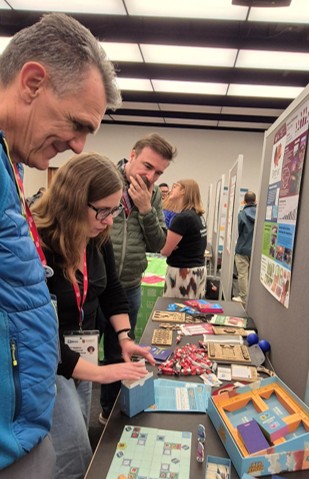
A recurring message throughout the workshop was that high-quality Bebras tasks should do more than test skills. They should encourage deep thinking, stimulate curiosity, connect to fundamental concepts of informatics, and motivate students to learn more about computing. By carefully designing and refining these tasks, the international Bebras community continues to advance informatics education worldwide.
Participation in the Bebras International Task Workshop strengthened the international visibility of the DIGITAL FIRST project and created new opportunities for collaboration with researchers and educators from Europe, Asia, Africa, North and South America, and Oceania. More broadly, the event demonstrated the strength of a global community united by a shared commitment to advancing computational thinking and ensuring that all learners have opportunities to develop the knowledge and skills needed in the digital age.