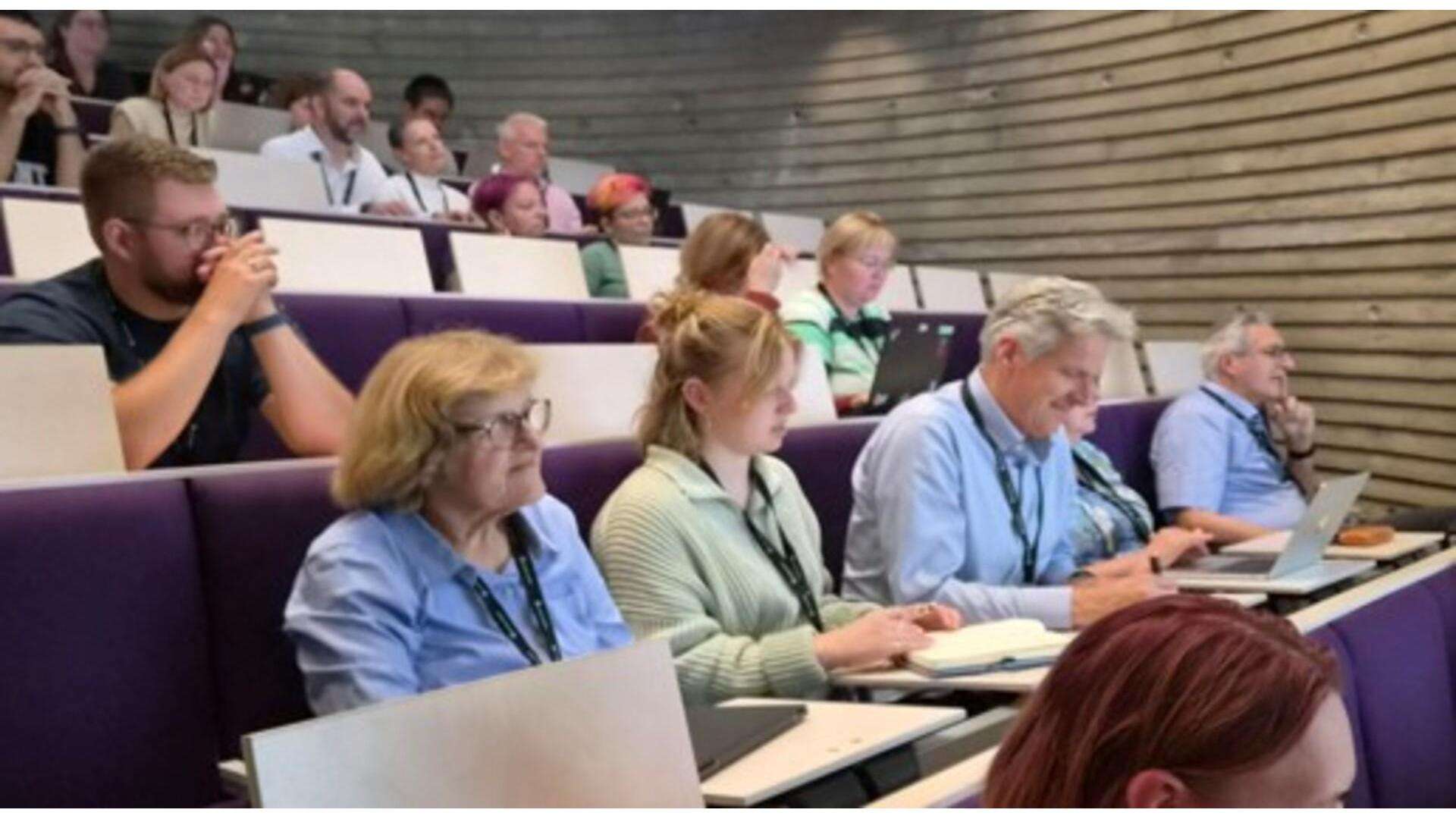

The 19th International Conference on Informatics in Schools: Situation, Evolution, and Perspectives (ISSEP) was held at Tallinn University in Estonia from 20 to 23 September 2026. ISSEP is an established international forum bringing together researchers, teacher educators, curriculum developers, policymakers, and practitioners interested in advancing informatics education across all educational levels – from early childhood and primary education to secondary and higher education.
ISSEP provides a meeting place for the international informatics education community to exchange research findings, discuss educational practice and curriculum development, and strengthen collaboration.
The 2026 ISSEP programme continued this tradition through research presentations, keynote talks, workshops, a doctoral consortium, and numerous opportunities for discussion between researchers and educational practitioners.
This dialogue is particularly important at a time when informatics education is changing rapidly. Computational thinking (CT), artificial intelligence (AI) and data-related competences are becoming increasingly prominent, while countries continue to revise school informatics curricula and reconsider what knowledge and skills pupils need in a digital and AI-rich society. These developments also place new expectations on teachers and teacher education. At the same time, long-standing questions remain: How should informatics be taught effectively? How can pupils’ competences be assessed? How should differences between learners be addressed? And how can informatics be meaningfully connected with mathematics, science and other areas of education?
ISSEP 2026 brought together these established and emerging questions. Contributions addressed AI, CT, assessment, curriculum development, teacher education and professional development, effective pedagogy, learner diversity, and interdisciplinary approaches to informatics education. This combination made the conference particularly valuable for comparing how different education systems are responding to similar challenges.
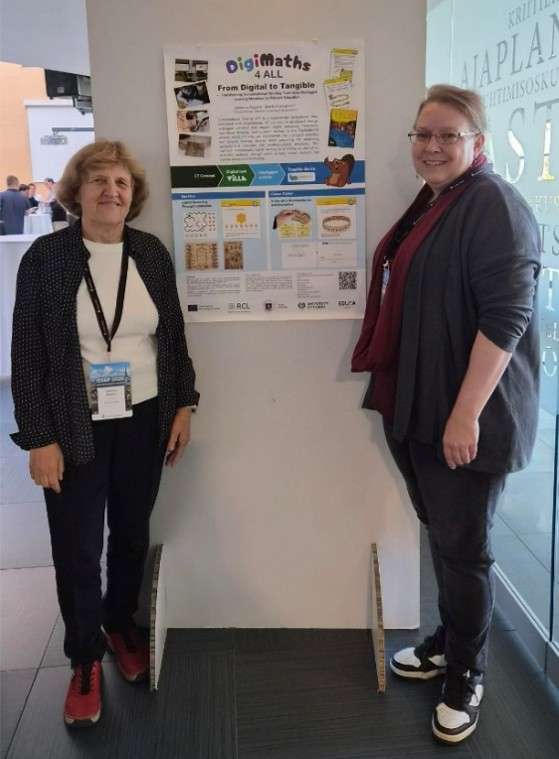 Valentina Dagiene and Marika Parviainen at their poster
A particularly strong feature of this year’s programme was its international perspective on school informatics. Presentations offered insights into how informatics is being introduced, taught and developed in schools in different countries and at different educational levels. They covered a broad spectrum – from early informatics activities for young children to secondary-school curricula and emerging areas such as artificial intelligence, data science and cybersecurity.
The presentations revealed considerable differences between countries in the position of informatics within school curricula, as well as many shared concerns. A recurring question was how to ensure that informatics becomes a meaningful part of general education for all pupils, rather than being understood primarily as learning to use digital technologies or to program. Discussions repeatedly returned to the broader intellectual foundations of the subject: problem-solving, computational thinking, data, algorithms, abstraction, modelling, and understanding how digital systems work.
Another recurring theme was informatics teacher preparation and professional development. Several contributions highlighted the challenges that arise when curricula and policy expectations develop faster than teachers’ opportunities to acquire subject-specific knowledge and appropriate teaching methods.
The Austrian experience was particularly illustrative. A study presented at the conference examined teachers’ experiences following the introduction of compulsory Digital Education in lower secondary schools. Many teachers had begun teaching the subject without formal preparation, and the study identified challenges related to teaching resources, curricular clarity, infrastructure and time, as well as a need for subject-specific and practice-oriented professional development. Contributions from Germany also addressed the adaptation of computing teaching materials and the preparation of teachers for changing informatics curricula.
The Netherlands provided another perspective on systemic change. Conference workshops and research addressed the ongoing revision of the Dutch upper-secondary informatics curriculum, including discussion of the broader purposes and perspectives of school informatics and how artificial intelligence should be incorporated into new standards. Together, these contributions stimulated broader discussion about what future informatics teachers need to know, how they should be prepared, and how universities and schools can support teachers as the discipline itself changes rapidly.
Vilnius University Professor Valentina Dagienė actively participated in these discussions, drawing on experience from several European initiatives in informatics education. One focus was the DIGITAL FIRST – Digital Tech as the First Language: Informatics for Digital Natives project, which is currently concluding. The project has explored how informatics education can respond to a generation growing up with digital technologies and how teachers can be supported in developing pupils’ informatics competences. These discussions connected naturally with one of the central questions running through ISSEP 2026: what should school informatics look like in the age of AI, and what competencies do both pupils and teachers need?
A second major contribution concerned the assessment of CT across different stages of school education. Valentina Dagienė presented a computational thinking assessment instrument, COMATH. The instrument provides three age-specific versions for pupils aged 9–10, 11–12, and 13–14, and was developed through systematic review, curriculum analysis, expert and teacher evaluation, student usability testing, and two large-scale pilots.
Importantly, the researchers emphasised that a relatively brief assessment cannot capture computational or algebraic thinking in all its complexity. Rather, such instruments can provide teachers with a useful snapshot of pupils’ strengths and difficulties and create a starting point for further learning and discussion.
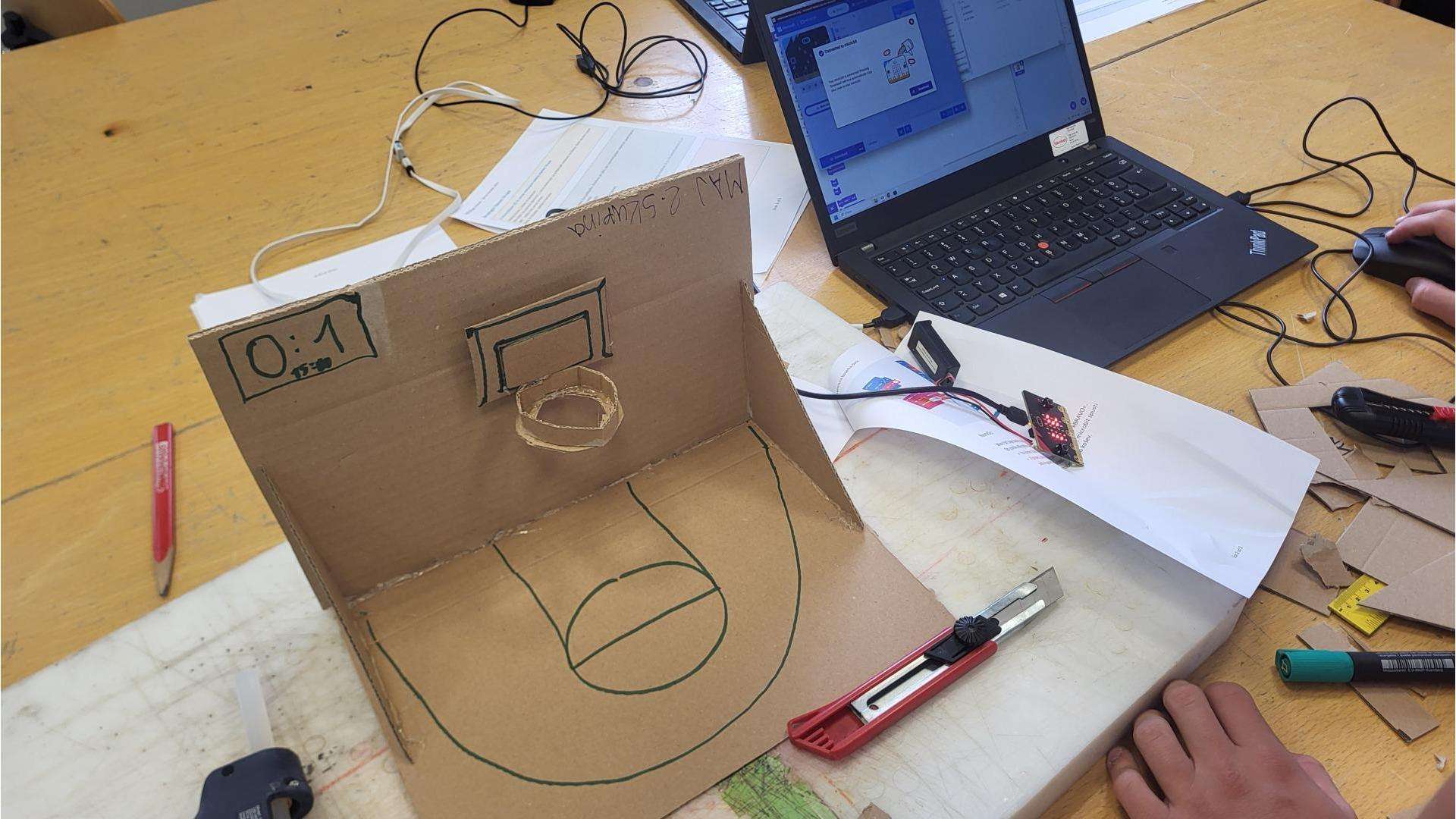
ISSEP was not limited to traditional research presentations. Its programme included interactive workshops in which participants experimented with different ways of teaching computational thinking and informatics. Topics ranged from STEAM activities and Bebras-inspired educational cards to unplugged programming and the transformation of digital computational-thinking problems into tangible learning materials. Valentina Dagienė and Marika Parviainen led one such workshop, inviting participants to solve and explore computational-thinking tasks in both digital and physical forms.
Across these different sessions, a common message emerged: the future of school informatics depends not only on what we teach, but also on how we prepare teachers, design meaningful learning experiences, and understand what pupils actually learn. ISSEP 2026 provided an important international space for comparing national experiences, discussing common challenges and connecting curriculum development, teacher education, classroom practice and research-based assessment.